


By using our website, you agree to the use of cookies as described in our Cookie Policy
Sclerotherapy of Spider Veins
Sclerotherapy for Spider Veins in New York City
Spider veins have a way of showing up when you least expect them. One day your legs look fine, and the next you're noticing these thin, web-like lines creeping across your skin. They're not always painful, but they're definitely noticeable. And for a lot of people, that's enough to start searching for reliable vein treatment in New York City.
If you've been searching for a way to treat spider veins without surgery or a long recovery, sclerotherapy might be exactly what you're looking for. It's one of the most common treatment options for spider veins, and it's been around for decades. The procedure is minimally invasive, doesn't require anesthesia, and can typically be performed right in a doctor's office. No hospital visit, no dramatic downtime.
At Elite Veins New York, sclerotherapy is one of the primary treatments offered for patients dealing with spider veins and smaller varicose veins. The team there, led by Dr. Bradley Radwaner, has over 25 years of experience treating vein conditions using modern, patient-focused approaches.
What Exactly Are Spider Veins
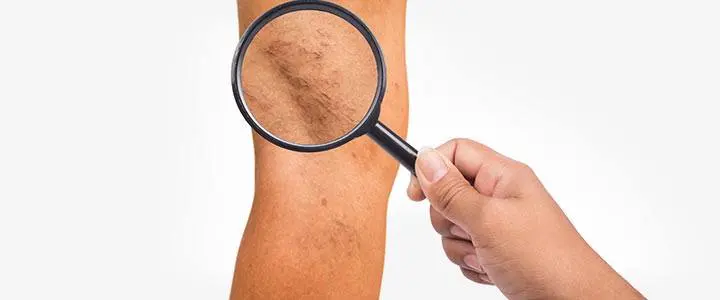
Spider veins, sometimes called telangiectatic leg veins, are small blood vessels that become visible just beneath the surface of the skin. They often appear red, blue, or purple and tend to branch out in patterns that resemble, well, a spider's web. Hence the name.
These veins form when tiny valves inside the blood vessels weaken or become damaged. When that happens, blood flow gets disrupted. Instead of moving efficiently back toward the heart, blood pools in certain areas, causing the vein to expand and become visible. They're most common on the legs, though they can also appear on the face and other parts of the body.
Spider veins aren't the same as larger varicose veins, though they can be related. Varicose veins are typically raised, twisted, and more prominent. Spider veins are flatter, finer, and closer to the skin's surface. Some people develop both, especially if there's an underlying issue like venous insufficiency affecting blood flow in the lower extremities.
How Sclerotherapy Treatment Works
The idea behind sclerotherapy is pretty straightforward. A sclerosing agent, which is a chemical solution, gets injected directly into the affected vein using a fine needle. This solution irritates the lining of the blood vessel, causing it to swell shut. Over time, the treated vein collapses and fades from view as the body naturally absorbs it.
The procedure itself is quick. Most sessions take somewhere between 15 to 45 minutes depending on how many veins are being treated. There's no need for anesthesia since the injections involve a small needle and cause minimal discomfort. Some patients describe it as a slight pinch or mild burning sensation at the injection site, but nothing too intense.
After the sclerotherapy injection, blood flow reroutes through healthier veins nearby. The treated vessels gradually become less visible over several weeks. For some people, results start showing within three to four weeks. For others, especially those with more prominent veins, it might take six weeks or longer to see the full effect.
What Happens During the Procedure
When you show up for your appointment, the process usually starts with a physical exam. The provider needs to assess the treatment area and determine which veins need attention. In some cases, an ultrasound might be used to get a better look at what's going on beneath the surface, especially if there are concerns about deeper veins or reticular veins feeding into the spider veins.
Once that's done, you'll be positioned comfortably and the skin will be cleaned. The provider then uses a fine needle to inject the sclerosing agent solution directly into each targeted vein. The number of injections depends on how many spider veins are being treated during that session.
There's no sedation involved. You're awake the whole time, and most people find the experience pretty tolerable. After the injections are complete, compression stockings or support stockings are usually applied to the treated area. These help keep pressure on the veins and support the healing process.
Recovery and What to Expect Afterward
One of the reasons sclerotherapy remains such a popular treatment option is the recovery. Or rather, the lack of a complicated one. Most patients can return to normal activities the same day. There's no bed rest required, no extended time off work.
That said, there are a few things to keep in mind during the healing period. Walking is encouraged because it promotes healthy blood flow, but strenuous exercise should be avoided for a few days. Sun exposure on the treated area is also something to limit for several weeks since it can cause discoloration.
Compression stockings are typically worn for a period after the procedure, often a few days to a couple of weeks. They help the treated veins stay compressed and reduce the chance of any complications.
Some mild side effects are normal. Bruising, redness, or slight swelling around the injection site can occur but usually fades within a few days. Occasionally, patients notice small lumps or darkened areas along the treated vein. These are generally temporary and resolve on their own over the following weeks.

Contact Elite Veins NY
Welcome to Elite Veins NY. Our team has over 25 years of experience treating patients with state-of-the-art medical care combined with a warm and astute ability to listen and care deeply about patients. We offer skilled cardiovascular and vascular specialists to patients in and throughout the New York metropolitan area with the best possible care. Contact our vein treatment center if you have any questions or to schedule an appointment today, and let us help you with all your vein treatment needs.
Potential Risks and Considerations
Sclerotherapy is considered safe, but like any medical procedure, it carries some potential risks. Most are minor and resolve without intervention.
Common side effects and risks to be aware of include:
- Bruising or discoloration at the injection site
- Small lumps or hardened areas along the treated vein
- Tiny blood vessels appearing near the treated area, sometimes called matting
- Mild swelling or itching
- Allergic reaction to the sclerosing agent, though this is rare
More serious complications are uncommon. These could include inflammation, the formation of small blood clots in the treated vessels, or, in very rare cases, visual disturbances or skin ulceration. These risks are minimized when the procedure is performed by an experienced provider who understands the anatomy of the venous system.
If you’ve had it with spider veins that spoil your appearance, call Elite Veins NY to schedule an appointment. We serve patients from New York City, NY; Queens, NY; Brooklyn, NY; Manhattan, NY; Bronx, NY; Hoboken, NJ; West New York, NJ; and surrounding areas.
Other Services We Offer: