

By using our website, you agree to the use of cookies as described in our Cookie Policy
Can I Get Rid of Varicose Veins Without Surgery
Varicose veins affect millions of people, and they are not just a cosmetic issue. They can ache, swell, and sometimes feel heavy by the end of the day. The good news is you can treat them without traditional surgery using options like laser ablation, radiofrequency treatment, and sclerotherapy. Many people looking for the best vein treatment in New York City choose these in-office procedures because they close problem veins and let blood move naturally through healthier ones.
Lifestyle changes like compression stockings, walking more, or elevating your legs can ease symptoms, and they do help day to day. Still, they will not remove veins that are already damaged. Modern vein treatments can, and they usually involve little downtime. In many cases, patients are back to normal routines faster than expected.
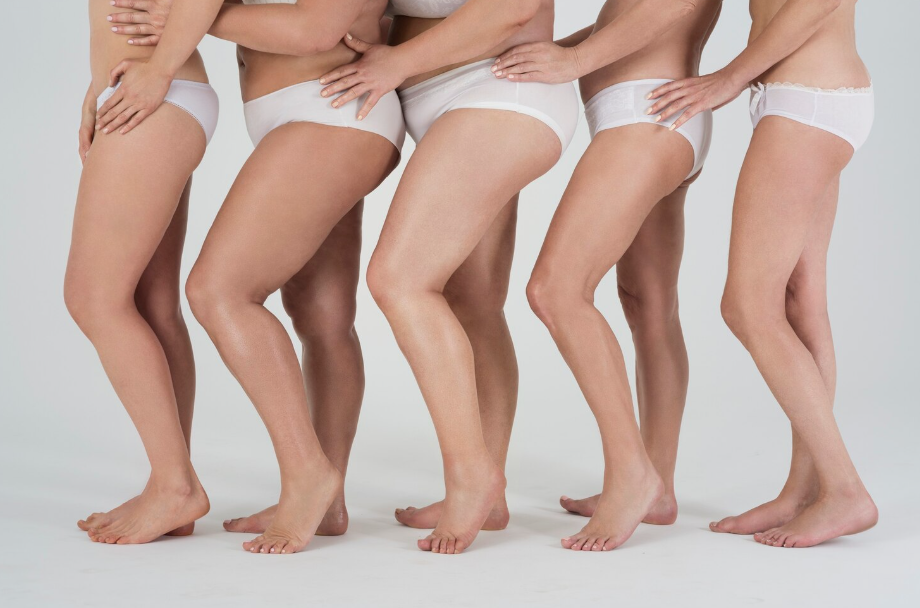
Understanding Your Non-Surgical Treatment Options
Modern vein medicine offers several proven alternatives to traditional surgery. Radiofrequency ablation uses controlled heat energy delivered through a thin catheter to seal problematic veins shut. The treated vein gradually dissolves while your circulatory system adapts by redirecting blood through healthier vessels nearby.
Laser therapy works similarly, using focused light energy to close off affected veins. This approach particularly excels at treating smaller varicose veins and spider veins near the skin's surface. Most patients find the procedure comfortable with only mild sensations during treatment.
Sclerotherapy involves injecting a specialized solution directly into the target vein, causing it to collapse and fade over time. This technique proves especially effective for smaller veins and can often be completed in multiple brief sessions spaced several weeks apart.
Medical adhesives represent another innovative approach where a specially formulated glue seals the vein closed. This newer technique has gained popularity due to its minimal discomfort and immediate return to normal activities.
Lifestyle Modifications That Support Vein Health
Regular physical activity plays a crucial role in managing varicose veins naturally. Walking, swimming, and cycling strengthen the muscle pumps in your legs that help push blood back toward your heart. These exercises work particularly well when combined with other conservative treatments.
Weight management reduces unnecessary pressure on your venous system. Even modest weight loss can significantly decrease symptoms like leg heaviness, swelling, and discomfort that often accompany varicose veins.
Leg elevation during rest periods helps combat the effects of gravity on your circulation. Propping your feet up above heart level for 15-20 minutes several times daily can provide noticeable relief from swelling and achiness.
Avoiding prolonged periods of sitting or standing prevents blood from pooling in your lower extremities. If your job requires extended periods in one position, take regular breaks to move around and activate your leg muscles.
The Power of Compression Therapy
Compression stockings provide graduated pressure that assists your veins and leg muscles in moving blood more efficiently back to your heart. These specialized garments come in various compression levels, and your healthcare provider can recommend the appropriate strength based on your specific needs.
The consistent pressure from compression wear helps reduce swelling, discomfort, and the heavy feeling that many people experience with varicose veins. While compression stockings won't eliminate existing veins, they can prevent progression and provide significant symptom relief when worn consistently.
Quality compression garments have improved substantially in recent years. Many options now look and feel like regular hosiery while providing medical-grade compression benefits. Some patients find compression socks so helpful that they continue wearing them even after completing vein treatments.
Sclerotherapy: The Gold Standard for Spider Veins
Sclerotherapy has maintained its position as the preferred treatment for spider veins and smaller varicose veins for good reason. The procedure involves injecting a sclerosing agent into the target vein using a very fine needle. The solution irritates the vein walls, causing them to collapse and seal shut.
Most patients describe sclerotherapy as feeling like small pinpricks with minimal discomfort. Treatment sessions typically last 15-30 minutes, and you can return to most normal activities immediately afterward. The injected veins gradually fade over several weeks as your body naturally absorbs the collapsed vein tissue.
Multiple sessions may be needed for optimal results, especially when treating extensive spider vein networks. Your vein specialist will develop a treatment plan based on the size, location, and number of veins requiring attention.
Laser and Radiofrequency: Modern Heat-Based Solutions
Heat-based treatments like laser therapy and radiofrequency ablation have revolutionized varicose vein care. These procedures work by delivering controlled thermal energy inside the problematic vein, causing the vein walls to seal permanently shut.
During radiofrequency ablation, your doctor inserts a thin catheter into the affected vein under local anesthesia. The catheter delivers precisely controlled heat energy that contracts and seals the vein walls. Blood automatically reroutes through nearby healthy veins, and the treated vein gradually disappears.
Laser ablation follows a similar process but uses laser energy instead of radiofrequency waves. Both techniques boast success rates exceeding 95% and allow most patients to resume normal activities within a day or two.
Recovery and Results Timeline
Most non-surgical vein treatments allow you to walk immediately after the procedure and return to desk work the same day. Your doctor may recommend avoiding strenuous exercise for a week or two, but normal daily activities are typically encouraged.
Results become visible gradually over several weeks to months as treated veins fade and disappear. Some patients notice immediate improvement in symptoms like leg heaviness and swelling, while cosmetic improvements develop more slowly.
The treated veins won't return, but varicose veins can develop in other locations over time. Maintaining a healthy lifestyle and wearing compression stockings when recommended can help prevent new problem veins from forming.
When considering your options for varicose vein treatment, remember that you have effective alternatives to traditional surgery. Consulting with a qualified vein specialist can help you determine which approach best suits your specific situation and treatment goals.
Contact Us
Have questions or ready to schedule your appointment? Elite Veins New York is here to help.
Call Us: (212) 717-0666
Visit Us: Midtown Manhattan office, 136 East 57th Street, Suite 1001, New York, NY 10022.
Whether you need directions, want to confirm insurance coverage, or are looking for more details about our vein treatments, our friendly team is just a call or visit away.
Related Topics:
‹ Back
Recent Posts
-
Effective Ways to Lose Varicose Veins Naturally
February 6, 2026
-
Simple Tips for Making Varicose Veins Less Noticeable
February 6, 2026
-
How to Manage and Relieve Varicose Vein Pain
February 6, 2026
-
Top Causes of Varicose Veins
February 6, 2026
-
Can I Get Rid of Varicose Veins Without Surgery
February 6, 2026