

By using our website, you agree to the use of cookies as described in our Cookie Policy
How to Manage and Relieve Varicose Vein Pain
Varicose vein pain can sneak up on you. One day it is mild; the next day, your legs feel heavy, sore, and just tired. This article is meant to walk through what helps, what does not, and how people usually find relief over time. A lot of patients end up talking with vein care experts after trying to manage symptoms on their own for a while.
Pain relief usually comes from stacking small habits together. No single fix does everything. Some things help right away; others take weeks to notice. It helps to understand why certain steps work, so you do not give up too early.
Understanding Varicose Veins
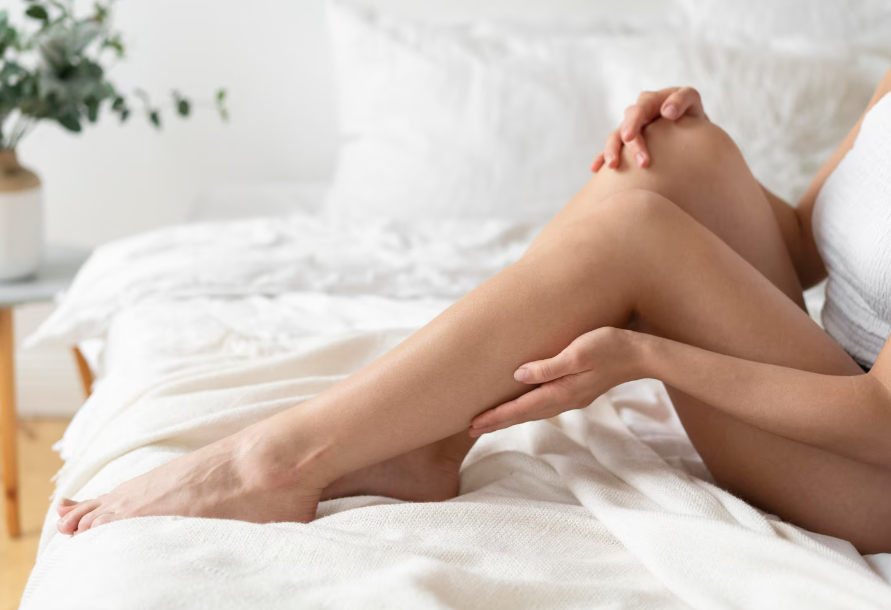
Varicose veins happen when the valves inside your veins stop closing properly. Blood starts slipping backward instead of moving up, and it hangs out in the vein longer than it should. That pressure stretches the vein, which is why it looks swollen or twisted. The discomfort usually comes from that constant strain.
Some days feel worse than others, and that is not random. Long periods of sitting or standing tend to make symptoms louder. Movement usually calms things down. Once you see that pattern, the pain starts to make more sense.
Lifestyle Changes for Pain Relief
Daily routines matter more than people expect. Walking a little each day keeps blood moving and helps reduce pressure in the legs. Sitting for hours without moving gives the veins a harder job, so standing up and shifting around helps. Even small changes can ease discomfort over time.
Weight also plays a role, even if it feels unrelated. Extra pressure makes veins work harder, plain and simple. Shoes and clothing matter too. Tight clothes or unsupportive shoes can make symptoms worse without you realizing why.
Home Remedies and Self-care
Some relief comes from very basic things. Lifting your legs when you rest helps blood flow back toward your heart. Cold packs can take the edge off swelling when your legs feel irritated. These steps are easy to repeat and fit into most routines.
Hydration is another quiet helper. Drinking enough water supports circulation and tissue health. Gentle stretching can help after long periods of sitting. These habits do not cure veins, but they often make day-to-day pain easier to live with.
Compression Therapy Benefits
Compression therapy works by gently squeezing the legs. That pressure keeps blood from pooling and helps veins do their job. Many people notice less heaviness once they start wearing compression regularly. It can feel strange at first, but most adjust after a few days.
Consistency is what makes it useful. Wearing compression only once in a while does not do much. Fit matters too, since loose compression does very little. When it fits well, it often becomes part of the daily routine.
Medical Treatments and Procedures
Medical treatment usually comes into the picture when pain sticks around. These procedures target the problem veins so blood can reroute through healthier ones. Most treatments are done in an office setting and do not require a long recovery time. Relief tends to build gradually rather than all at once.
It is normal to feel unsure before seeing a provider. Asking questions helps clear that hesitation. Many treatments aim to reduce pain and improve circulation together. For a lot of people, this step brings noticeable improvement.
Exercise and Physical Activities
Exercise helps veins by using your muscles to push blood upward. Walking, swimming, and cycling are common choices because they are gentle on the joints. Stronger calf muscles help circulation more than people realize. Even short walks count.
The key is sticking with it. A little movement most days works better than doing a lot once in a while. Picking activities you enjoy makes it easier to stay consistent. Over time, exercise becomes part of pain management, not a chore.
Related Topics:
‹ Back
Recent Posts
-
Effective Ways to Lose Varicose Veins Naturally
February 6, 2026
-
Simple Tips for Making Varicose Veins Less Noticeable
February 6, 2026
-
How to Manage and Relieve Varicose Vein Pain
February 6, 2026
-
Top Causes of Varicose Veins
February 6, 2026
-
Can I Get Rid of Varicose Veins Without Surgery
February 6, 2026