

By using our website, you agree to the use of cookies as described in our Cookie Policy
Effective Ways to Lose Varicose Veins Naturally
Varicose veins can be stubborn, and it is normal to want options that feel simple and natural. Many people start with small lifestyle shifts before considering professional vein treatment to see how their body responds. This post looks at everyday ways people try to reduce the look and feel of varicose veins over time. Nothing here is a quick fix, but these approaches often work best when combined and given time.
Natural management usually means paying attention to habits you already have. Movement, food choices, and daily routines all play a role. Some changes feel obvious, others less so. The key is consistency and patience, even when progress feels slow.
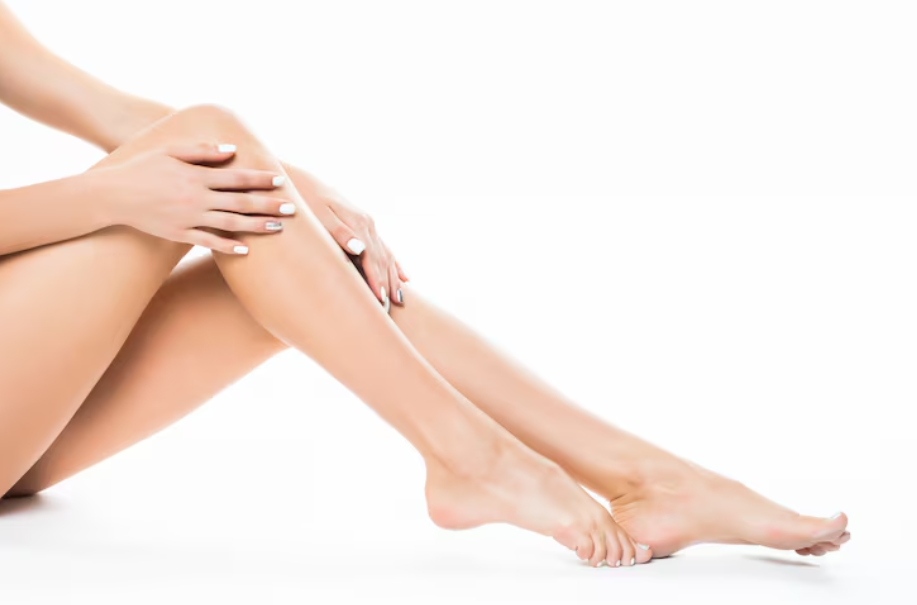
Lifestyle Changes
Lifestyle changes often form the base of natural vein care. Regular movement like walking or swimming helps blood flow and keeps pressure from building up in the legs. Long stretches of sitting or standing tend to make symptoms worse, so breaking those patterns helps. Even small adjustments can ease daily discomfort.
Leg elevation is another habit people overlook. Raising your legs while resting helps blood move upward more easily. Compression garments can also support circulation during long days. Over time, these habits work together rather than alone.
Healthy Diet
Diet supports vein health in ways that are easy to miss. Fiber-rich foods help reduce internal pressure that can affect leg veins. Hydration also matters more than people expect, since blood flow depends on fluid balance. When hydration drops, circulation often suffers.
Foods with vitamin C support collagen, which helps veins stay resilient. Omega fatty acids support circulation and reduce irritation. None of these foods works overnight. They support the body gradually, which is usually how natural changes work.
Compression Stockings
Compression stockings are a common starting point for natural management. They apply steady pressure that helps blood move upward instead of settling. Many people notice reduced swelling after wearing them consistently. Comfort often improves as well.
Fit makes a big difference. Loose compression does very little, while tight stockings can be uncomfortable. A proper fit helps people stick with them. Over time, compression becomes part of a daily routine rather than a special step.
Regular Exercise
Exercise helps veins by activating muscles that move blood. Walking, cycling, or swimming keeps circulation steady without stressing joints. Calf muscles do a lot of the work here, even if you do not notice it. When they engage, blood moves more efficiently.
Consistency matters more than intensity. Short, regular movement works better than occasional long workouts. Finding something enjoyable makes it easier to keep going. Over time, exercise supports both comfort and appearance.
Herbal Remedies
Some people explore herbal options as part of a natural approach. Certain plant extracts are thought to support circulation and reduce swelling. Results vary, and effects are usually mild rather than dramatic. These remedies work best alongside lifestyle changes.
It is always smart to check with a healthcare provider before trying herbs. Some can interact with medications or cause side effects. Used carefully, they may offer extra support. They should never replace medical advice when symptoms worsen.
Essential Oils
Essential oils are sometimes used to ease discomfort and support circulation. Oils like peppermint or citrus create a cooling sensation that can feel soothing. A gentle massage helps encourage blood movement at the same time. The pressure should stay light and comfortable.
Essential oils work best when diluted and used regularly. Strong applications can irritate skin, especially in sensitive areas. Many people use them as part of a nightly routine. The effects are subtle, but they can add comfort over time.
Related Topics:
‹ Back
Recent Posts
-
Effective Ways to Lose Varicose Veins Naturally
February 6, 2026
-
Simple Tips for Making Varicose Veins Less Noticeable
February 6, 2026
-
How to Manage and Relieve Varicose Vein Pain
February 6, 2026
-
Top Causes of Varicose Veins
February 6, 2026
-
Can I Get Rid of Varicose Veins Without Surgery
February 6, 2026