

By using our website, you agree to the use of cookies as described in our Cookie Policy
What Is the Most Effective Vein Treatment?
The most effective vein treatment isn’t the same for everyone. It comes down to how large the vein is, where it sits, and how it affects daily life. Spider veins often respond well to sclerotherapy, whereas larger varicose veins are usually treated with laser or radiofrequency ablation, which seal the vein from the inside. VenaSeal uses a medical adhesive instead of heat, and ultrasound-guided sclerotherapy helps treat veins that are harder to pinpoint. Clinics offering top-rated vein treatment in New York commonly report success rates above 85 percent when these procedures are performed by licensed vascular specialists.
Vein care has changed noticeably over the years. Surgical stripping, once routine, is now rarely suggested. Most treatments are done in an office setting and allow people to get back to normal activities with little downtime. A qualified phlebologist reviews imaging, symptoms, and medical history before recommending a plan that fits the condition and the patient’s comfort level.
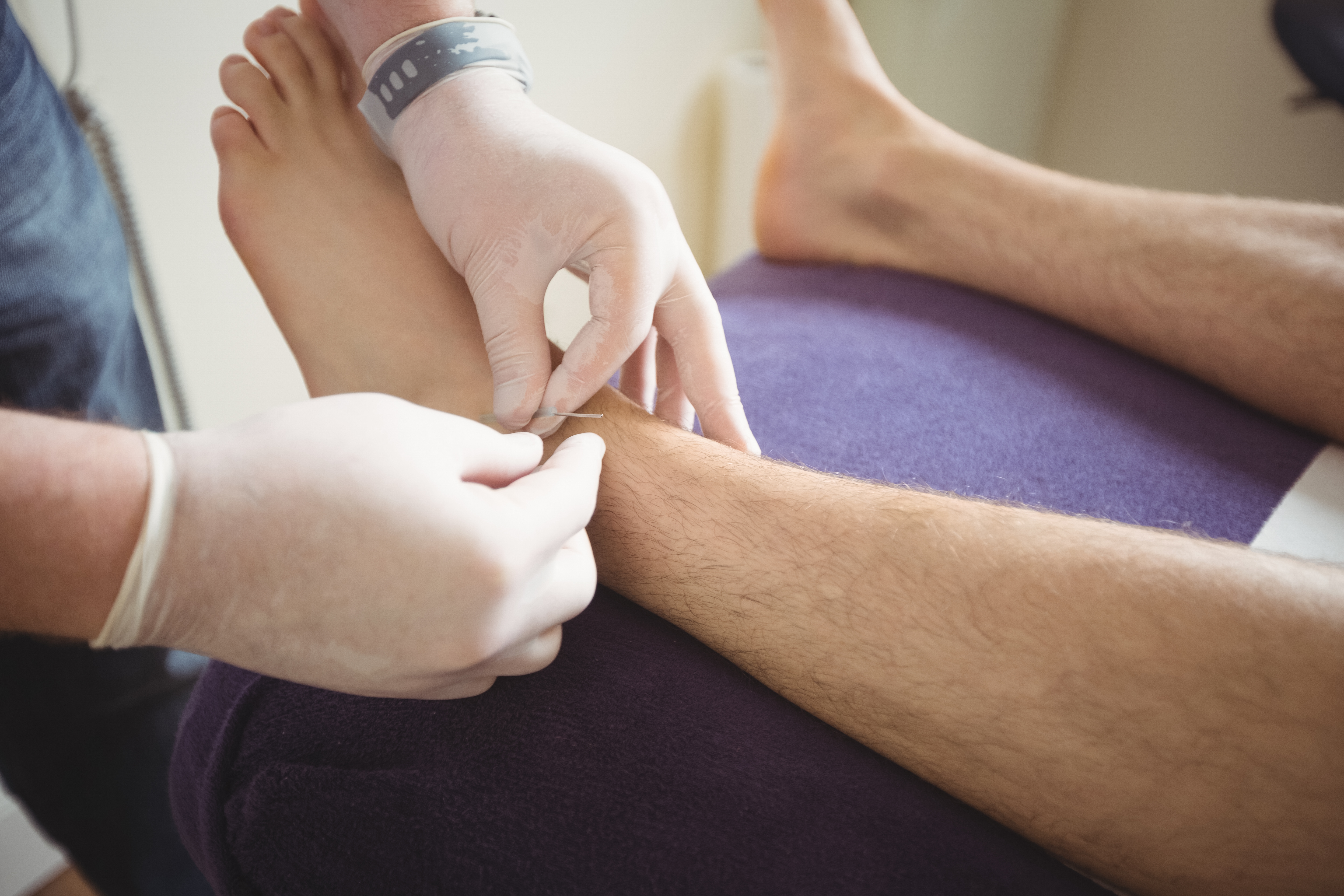
Sclerotherapy: The Gold Standard for Spider Veins
Spider vein treatment finds its most reliable solution in sclerotherapy, a procedure that has maintained consistent success rates for decades. The process involves injecting a sclerosant solution directly into problematic veins, causing them to collapse and eventually fade from view.
Clinical data demonstrates that sclerotherapy achieves successful spider vein elimination in 85-95% of treated patients. The procedure typically takes 15-30 minutes, depending on the number of veins being addressed. Most patients require 2-4 treatment sessions spaced 4-6 weeks apart for optimal results.
Patient testimonials frequently highlight the minimal discomfort associated with sclerotherapy. The tiny needles used for injection create sensations comparable to small pinpricks. Post-treatment bruising may occur but typically resolves within 2-3 weeks.
Ultrasound Guided Sclerotherapy for Complex Cases
When dealing with deeper reticular veins or problematic feeder veins, ultrasound-guided sclerotherapy offers enhanced precision. This advanced technique allows specialists to visualize veins that aren't visible on the surface, ensuring accurate needle placement and improved treatment outcomes.
The ultrasound guidance particularly benefits patients with recurrent spider veins or those who haven't responded well to traditional sclerotherapy. Success rates for ultrasound guided treatments often exceed 90% when targeting the underlying venous insufficiency contributing to surface vein problems.
Endovenous Laser Ablation: Precision Technology for Varicose Veins
Endovenous laser ablation (EVLA) has become the preferred treatment for larger varicose veins, offering success rates comparable to traditional surgical methods without the associated downtime. The procedure uses laser energy delivered through a thin fiber inserted into the affected vein.
The heat generated by the laser causes the vein wall to contract and seal shut. Blood flow automatically redirects to healthy veins, and the treated vein eventually gets absorbed by surrounding tissue. Most patients report significant symptom improvement within 2-4 weeks.
Recovery from EVLA typically involves wearing compression stockings for 1-2 weeks and avoiding strenuous activity for several days. Walking is encouraged immediately after treatment to promote healthy circulation and prevent complications.
Clinical studies show EVLA maintains 95% success rates at five-year follow-ups, making it one of the most durable vein treatment options available. Patient satisfaction scores consistently rank EVLA among the top choices for varicose vein elimination.
Radiofrequency Ablation: Heat-Based Vein Closure
Radiofrequency ablation functions similarly to laser therapy but uses radiofrequency energy instead of laser light to heat and close problematic veins. Many patients find this method more comfortable during treatment, as the radiofrequency energy creates a more controlled heating process.
The procedure involves inserting a small catheter into the affected vein under ultrasound guidance. The catheter delivers controlled radiofrequency energy, causing the vein walls to heat up and seal shut. Treatment typically takes 45-60 minutes for each leg.
Post-treatment care involves wearing compression stockings and maintaining normal walking activities. Most patients return to work within 1-2 days and resume full activities within a week.
Success rates for radiofrequency ablation mirror those of laser therapy, with studies showing 90-95% vein closure rates at long-term follow-up appointments. The technique works particularly well for great saphenous vein insufficiency, one of the most common causes of leg varicose veins.
VenaSeal: Medical Adhesive Innovation
VenaSeal represents one of the newest approaches to vein treatment, using medical adhesive to permanently seal varicose veins. This technique eliminates the need for tumescent anesthesia, multiple needle sticks, and compression stockings after treatment.
The procedure involves injecting small amounts of medical glue into the affected vein while applying compression to ensure proper seal formation. The adhesive causes the vein walls to stick together, stopping blood flow and allowing the body to naturally absorb the closed vein over time.
Patients often prefer VenaSeal because it allows immediate return to normal activities without compression garments. The treatment takes about 30-45 minutes per leg and can address multiple veins during a single session.
Clinical trials demonstrate that VenaSeal achieves 95% vein closure rates with minimal side effects. Patient satisfaction surveys highlight the comfort and convenience of this adhesive-based approach, particularly for individuals who struggle with compression therapy compliance.
Ambulatory Phlebectomy for Surface Varicose Veins
When varicose veins remain close to the skin surface and feel firm to the touch, ambulatory phlebectomy offers direct removal through tiny incisions. This technique works well for veins that may not respond optimally to thermal ablation methods.
The procedure involves making small punctures in the skin and using specialized hooks to remove vein segments. Each incision measures only 2-3 millimeters, eliminating the need for sutures in most cases.
Recovery involves wearing compression garments for 1-2 weeks and avoiding heavy lifting. The small incisions heal quickly and typically leave minimal scarring. Most patients can return to work within a few days.
Ambulatory phlebectomy often combines with other treatments like endovenous ablation to address both the underlying venous insufficiency and surface varicose veins during comprehensive treatment plans.
Compression Therapy: Conservative Management and Support
Compression therapy serves multiple roles in vein treatment, functioning as both a standalone conservative treatment and supportive care following procedures. Medical-grade compression stockings apply graduated pressure that assists venous blood flow back to the heart.
The therapy works by reducing vein diameter, which increases blood flow velocity and prevents pooling. This mechanism helps alleviate symptoms like leg heaviness, swelling, and aching while potentially slowing varicose vein progression.
Compression stockings come in various pressure levels, typically ranging from 15-20 mmHg for mild symptoms up to 30-40 mmHg for severe venous insufficiency. Proper fitting by trained professionals ensures optimal therapeutic benefit.
While compression therapy doesn't eliminate existing varicose veins, it provides valuable symptom management and may prevent new vein problems from developing. Many insurance plans cover medical-grade compression garments when prescribed by healthcare providers.
Choosing Your Treatment: Working with a Phlebologist
The most effective vein treatment varies based on individual circumstances, vein characteristics, and patient preferences. A qualified phlebologist performs comprehensive vein mapping using ultrasound technology to identify all problem areas and develop customized treatment strategies.
Factors influencing treatment selection include vein size, depth, location, underlying venous insufficiency, medical history, and lifestyle considerations. Many patients benefit from combination approaches that address different types of vein problems simultaneously.
Third-party review platforms consistently show high satisfaction rates for patients who work with board-certified phlebologists. Trustpilot reviews and medical facility ratings often highlight the importance of specialist expertise in achieving optimal treatment outcomes.
Treatment costs vary depending on the specific procedures required and insurance coverage. Many insurance plans cover medically necessary vein treatments when conservative measures have been attempted and documented symptoms affect quality of life.
Treatment Success Rates and Long-Term Outcomes
Modern vein treatments demonstrate impressive long-term success rates when performed by experienced specialists. Five-year follow-up studies show maintained improvement in 90-95% of patients treated with thermal ablation techniques.
Sclerotherapy success rates remain consistently high for spider vein elimination, with most patients achieving satisfactory cosmetic improvement within 3-6 months of completing their treatment series. Touch-up sessions may be recommended for optimal results.
Patient satisfaction surveys reveal that symptoms like leg pain, swelling, and fatigue improve significantly following appropriate vein treatment. Many individuals report enhanced quality of life and increased confidence in activities that involve leg exposure.
Preventing new vein problems involves maintaining healthy circulation through regular exercise, weight management, and using compression garments during high-risk activities like prolonged standing or air travel.
The best treatments for varicose veins include sclerotherapy, ultrasound-guided sclerotherapy, endovenous laser ablation, radiofrequency ablation, and VenaSeal medical glue, with each option offering distinct advantages for specific patient needs and vein characteristics. A qualified phlebologist can evaluate your condition and recommend the most appropriate treatment approach based on comprehensive vein assessment and your individual health goals.
Contact Us
Have questions or ready to schedule your appointment? Elite Veins New York is here to help.
Call Us: (212) 717-0666
Visit Us: Midtown Manhattan office, 136 East 57th Street, Suite 1001, New York, NY 10022.
Whether you need directions, want to confirm insurance coverage, or are looking for more details about our vein treatments, our friendly team is just a call or visit away.
Related Topics:
‹ Back
Recent Posts
-
Effective Ways to Lose Varicose Veins Naturally
February 6, 2026
-

Simple Tips for Making Varicose Veins Less Noticeable
February 6, 2026
-

How to Manage and Relieve Varicose Vein Pain
February 6, 2026
-
Top Causes of Varicose Veins
February 6, 2026
-
Can I Get Rid of Varicose Veins Without Surgery
February 6, 2026